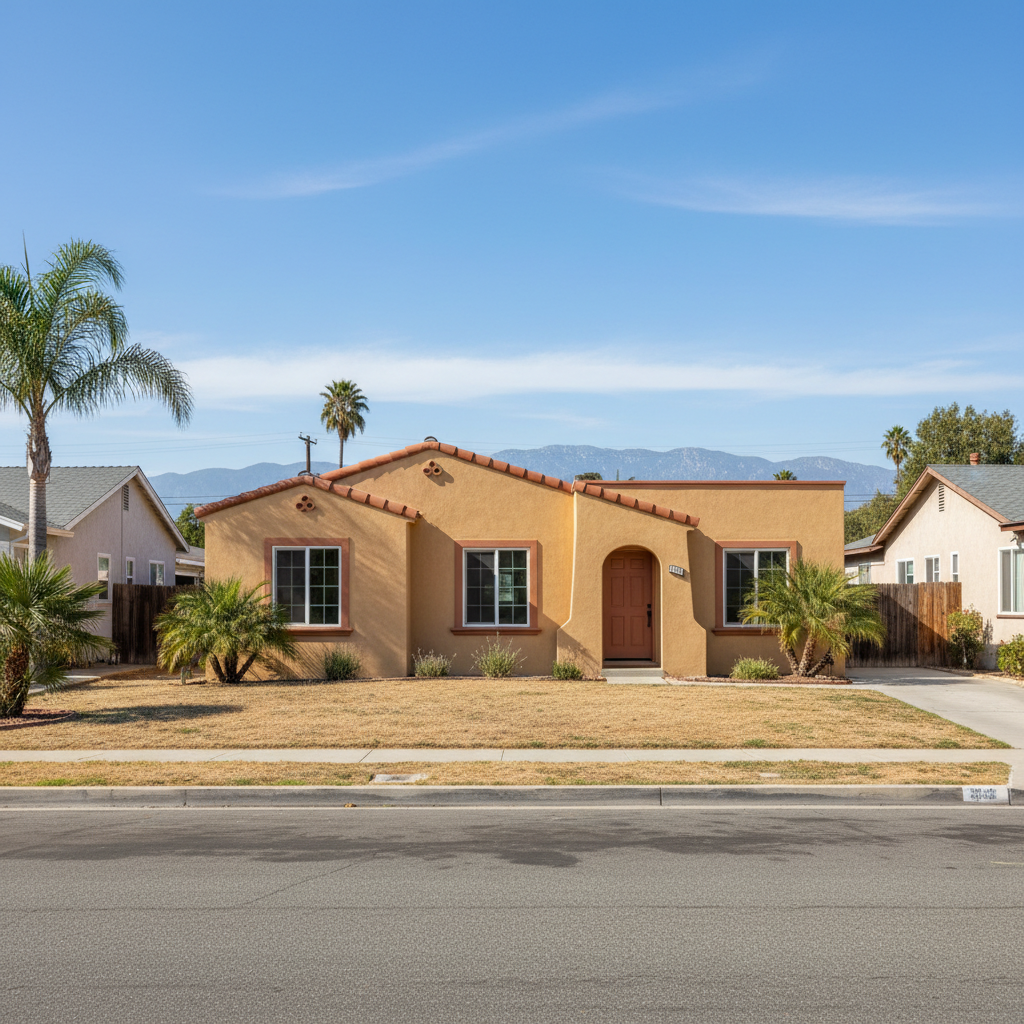
So, you're looking at putting new stucco on a building here in El Monte. Maybe it's a brand-new build, an addition, or you're tearing off old siding and starting fresh. Whatever the reason, new stucco installation isn't just about slapping some mud on a wall. It's a whole system, and getting it right from day one is crucial if you want it to last.
I've been doing this work for a long time, right here in the San Gabriel Valley. I've seen all kinds of projects, from the charming bungalows near Mountain View High to the more modern commercial spaces popping up along Garvey Avenue. Each one has its own challenges, but the basics of a solid stucco installation remain the same, and they're especially important for our local conditions.
Why Proper Prep is Everything for New Stucco
You wouldn't build a house on a shaky foundation, right? Same goes for stucco. The preparation before that first coat even goes on is arguably the most important part of the whole job. We're talking about the sheathing, the weather-resistive barrier (WRB), and the lath. This isn't where you cut corners, ever.
- The Sheathing: This is the base layer, usually plywood or OSB. It needs to be sound, securely fastened, and free of defects. Any movement here means cracks in your stucco down the line.
- The Weather-Resistive Barrier (WRB): Think of this as your building's raincoat. It's typically a building paper or synthetic wrap that goes over the sheathing. Its job is to shed water that gets past the stucco, preventing it from reaching your framing. In a place like El Monte, where we get those heavy winter rains after long dry spells, a good WRB is non-negotiable. It helps manage moisture and protects against rot and mold.
- The Lath: This is the metal mesh that the stucco adheres to. It's nailed or stapled over the WRB. The way it's installed – the overlap, the fasteners, the accessories like corner beads and weep screeds – all play a huge role in the stucco's strength and how it handles water. Weep screeds, for example, are critical at the bottom of walls to let any trapped moisture drain out. Without them, water just sits there, causing problems.
Honestly, if you don't get these foundational layers right, you're setting yourself up for headaches. Cracks, water intrusion, efflorescence – these issues often stem from poor prep, not necessarily bad stucco mix.
Understanding Stucco Systems for Our Climate
When we talk about new stucco, we're usually talking about a three-coat system: scratch coat, brown coat, and finish coat. Each layer has a specific purpose:
- Scratch Coat: This is the first layer applied over the lath. It's literally scratched horizontally to create a rough surface for the next coat to grab onto. It's all about adhesion and getting a strong bond.
- Brown Coat: This layer goes over the scratch coat, building up the thickness and creating a smooth, level surface. This is where we correct any imperfections from the scratch coat and ensure the wall is plumb and true.
- Finish Coat: This is the top layer, what you actually see. It's where the color and texture come in. There are so many options here – smooth, sand float, dash, lace, cat face. We can match almost any look you're going for, from a classic Mediterranean style to something more contemporary.
For El Monte, with our warm, dry summers and occasional wet winters, the breathability of traditional stucco is a big plus. It allows moisture vapor to escape, which is important for the longevity of the building. You want a system that can handle our temperature swings without cracking prematurely.
Why Local Expertise Matters for New Stucco
You might think stucco is stucco, no matter where you are. But that's just not true. Local conditions, building codes, and even common architectural styles here in El Monte influence how we approach a new installation. For instance, the clay-rich soils we have in some parts of the city can lead to foundation movement, which means we pay extra attention to expansion joints in the stucco system to accommodate any minor shifts without cracking.
Working with a local company like El Monte Stucco & Plastering means you're getting someone who understands these nuances. We know the local suppliers, the common building practices, and what works best in our specific environment. We're not just applying stucco; we're building a durable, beautiful exterior that's designed to stand up to El Monte's weather and look great for decades.
If you're planning a new stucco project, don't hesitate to ask questions about the process, the materials, and especially the prep work. A good contractor will be happy to walk you through every step.