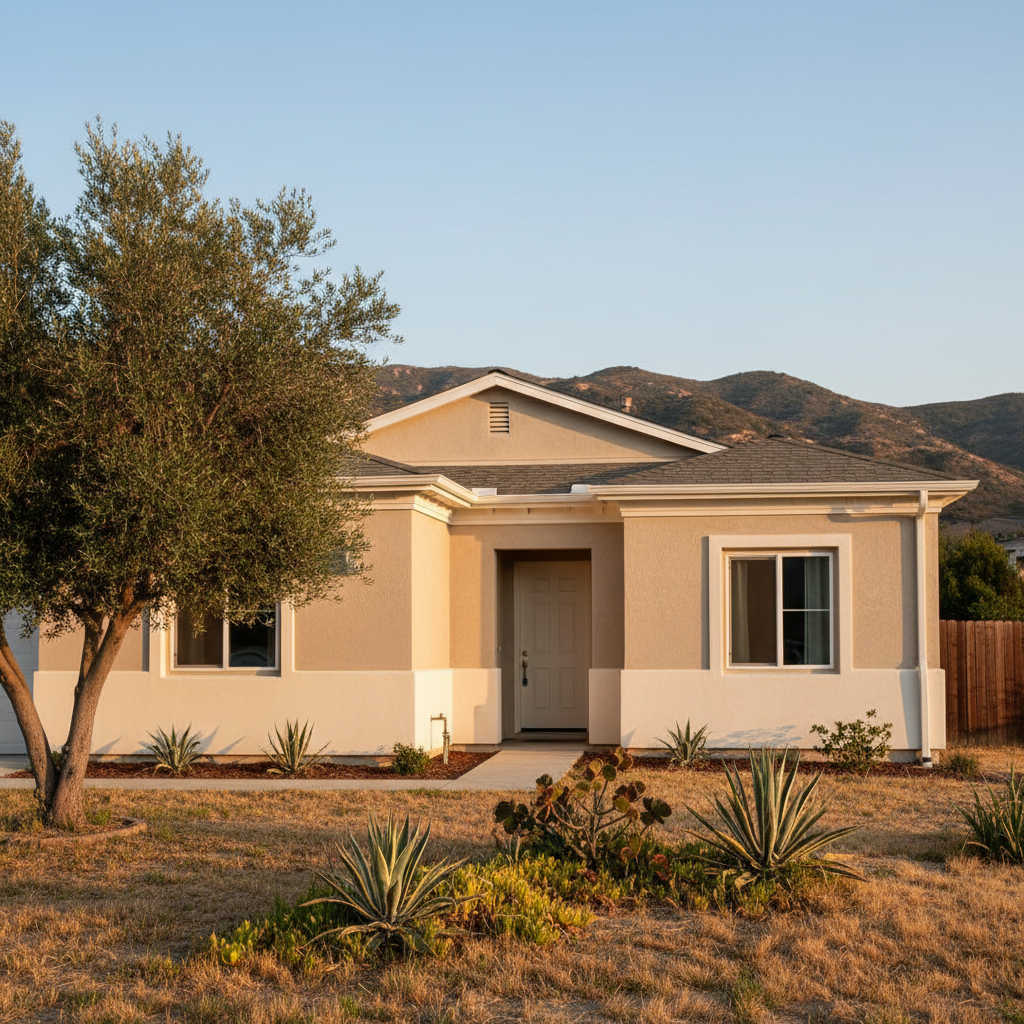
So, you're considering EIFS for your home here in El Monte. That's a smart choice for a lot of reasons – great insulation, versatile finishes, and a good look. But like any exterior system, especially one as advanced as EIFS (that's Exterior Insulation and Finish System), timing and understanding our local weather patterns really matter. You wouldn't plant a delicate rose bush in the middle of a heatwave, right? Same idea applies to getting your stucco done.
When's the Best Time for EIFS Installation?
Honestly, the sweet spot for EIFS installation around here is usually spring or fall. Why those times? It's all about temperature and humidity. EIFS isn't just a finish; it's a multi-layered system that needs specific conditions to cure properly.
- Spring (March to May): This is prime time. The days are warming up, but we haven't hit the scorching summer heat yet. Nighttime temperatures are usually well above freezing, which is critical for the base coats and finishes to set up right. Plus, we often get those gentle El Monte breezes, which help with drying without being too aggressive.
- Fall (September to November): Another excellent window. The summer heat has broken, and things are cooling down. Again, you get that consistent, moderate temperature range. We're usually past the worst of the Santa Ana winds by then, too, which can make applying finishes tricky.
What you want to avoid is extreme heat or cold. If it's too hot, the materials can dry too quickly, leading to cracks or improper bonding. Too cold, and they won't cure at all, leaving you with a weak system that won't last. Rain is also a big no-go during installation. We've got to keep the layers dry as they go on.
Weather Conditions That Affect the Work
Our El Monte climate, with its hot, dry summers and mild, sometimes damp, winters, definitely plays a role. When we're planning an EIFS job, we're always looking at the forecast. Here's what we're keeping an eye on:
- Temperature: Most EIFS manufacturers recommend installation when temperatures are consistently between 40°F and 100°F. Anything outside that range, and you're asking for trouble. We're talking about both daytime highs and nighttime lows.
- Humidity: High humidity can slow down drying times significantly, which can delay the project and potentially affect the cure. Low humidity, especially with those dry Santa Ana winds, can make things dry too fast, which is also bad. We need a happy medium.
- Rain: This is a big one. You simply cannot install EIFS in the rain. Each layer needs to be protected from moisture until it's fully cured. If rain gets into uncured layers, it can compromise the entire system. That's why if rain is in the forecast, we'll reschedule. It's better to wait a few days than to rush and end up with a faulty installation.
- Wind: Strong winds can cause materials to dry too quickly, carry dust and debris onto wet surfaces, and make it difficult for our crew to apply materials evenly. On a really windy day, especially if we're dealing with a property in a more exposed area, like some of the homes up near the hills, we might have to pause.
Protecting Your EIFS Investment Year-Round
Once your EIFS is installed by a pro like El Monte Stucco & Plastering, it's pretty low maintenance, but a little care goes a long way in making it last. You've made a good investment; let's keep it that way.
- Regular Cleaning: Just like any exterior, it'll get dirty. A gentle wash with a garden hose and a soft brush (or a low-pressure power washer, but be careful!) once a year can remove dirt, dust, and any mildew that might start to form, especially on the north-facing sides of your house that don't get as much sun.
- Inspect for Damage: Walk around your house a couple of times a year. Look for any cracks, dings, or areas where the finish might be compromised. EIFS is tough, but accidents happen. If you see something, get it looked at. Small repairs are always cheaper and easier than big ones.
- Manage Moisture: Make sure your gutters are clean and directing water away from your home's foundation. Check your sprinklers to ensure they aren't constantly spraying the EIFS, as continuous moisture can lead to issues over time. Proper drainage around your home is crucial for any exterior, EIFS included.
- Trim Landscaping: Keep bushes and trees trimmed back so they're not constantly rubbing against the EIFS surface. This prevents physical abrasion and also allows for good airflow, which helps keep the surface dry.
By being mindful of the weather during installation and giving your EIFS a little TLC throughout the year, you'll ensure it performs beautifully and keeps your home looking great and well-insulated for decades. It's all about understanding the system and respecting the conditions.